Vertech Editorial
Open book does not mean easy. Students who do not prepare often score worse than on closed-book exams. Here is why and how to avoid it.
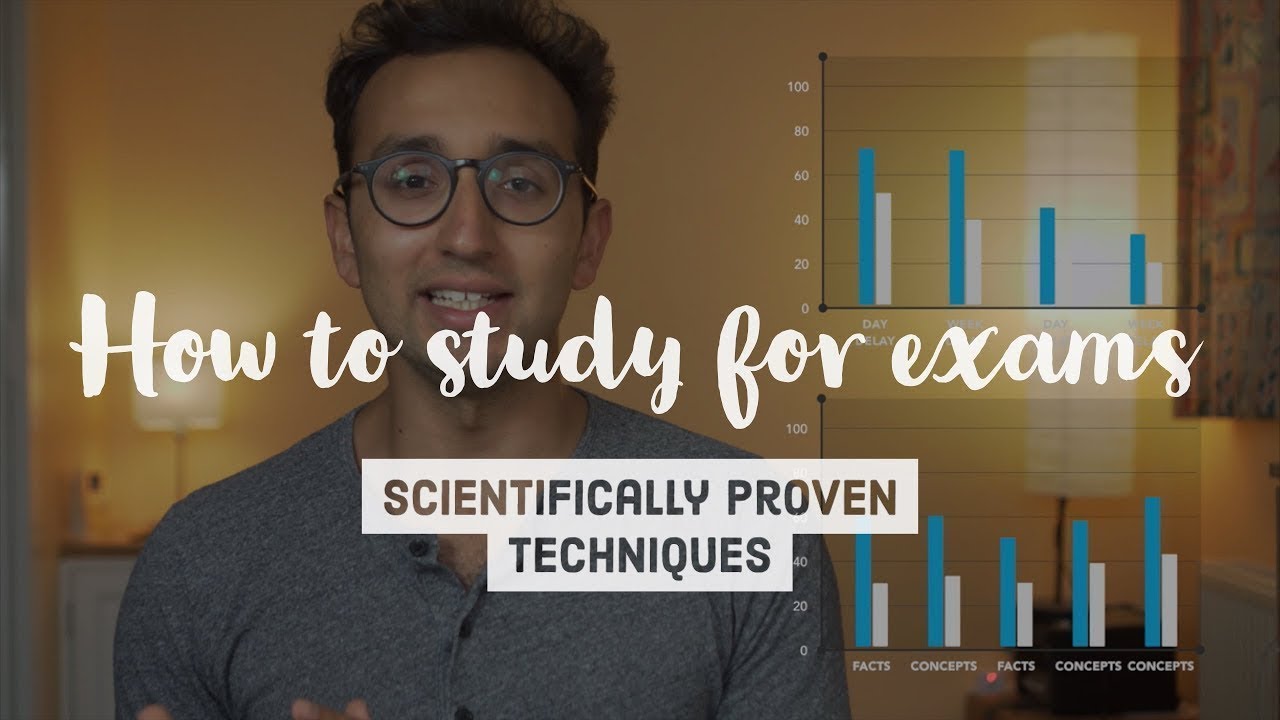
When students hear “open book,” most of them stop studying. That is a mistake. Open book exams are not asking you to find information - they are asking you to apply it, analyze it, and think critically. If you spend the entire exam flipping through your textbook, you will run out of time.
The students who ace open book exams treat them almost the same as closed book exams, with one key difference: instead of memorizing, they organize.
The Open Book Trap
Professors give open book exams specifically because they want to test higher-order thinking. The questions will not be “what year did X happen?” - those would be too easy with a book. Instead, they will ask you to apply concepts to new scenarios, compare theories, or solve problems that require deep understanding.
The reality check
If you cannot explain a concept without looking at your notes, having the notes open during the exam will not save you. You will waste valuable time searching for something you do not understand enough to apply.
How to Actually Prepare
Build a reference sheet - create a one-page summary with key formulas, definitions, and frameworks organized by topic. This is your quick-reference during the exam.
Practice application problems - find or generate problems that require you to use the concepts. If you can solve them with your notes, you can solve them on the exam.
Tab and index your textbook - use sticky tabs to mark key chapters. You should be able to find any topic in under 10 seconds.
Understand, do not just locate - study as if it were a closed book exam. Then use your notes as a safety net, not a lifeline.
Our Generalist Teacher prompt can generate application-style practice questions that mirror what you will see on an open book exam. For more strategies, read about the best AI exam prep tools.