Vertech Editorial
Staring at the same page for an hour and absorbing nothing? Here are the tricks that make study sessions feel shorter and actually stick.
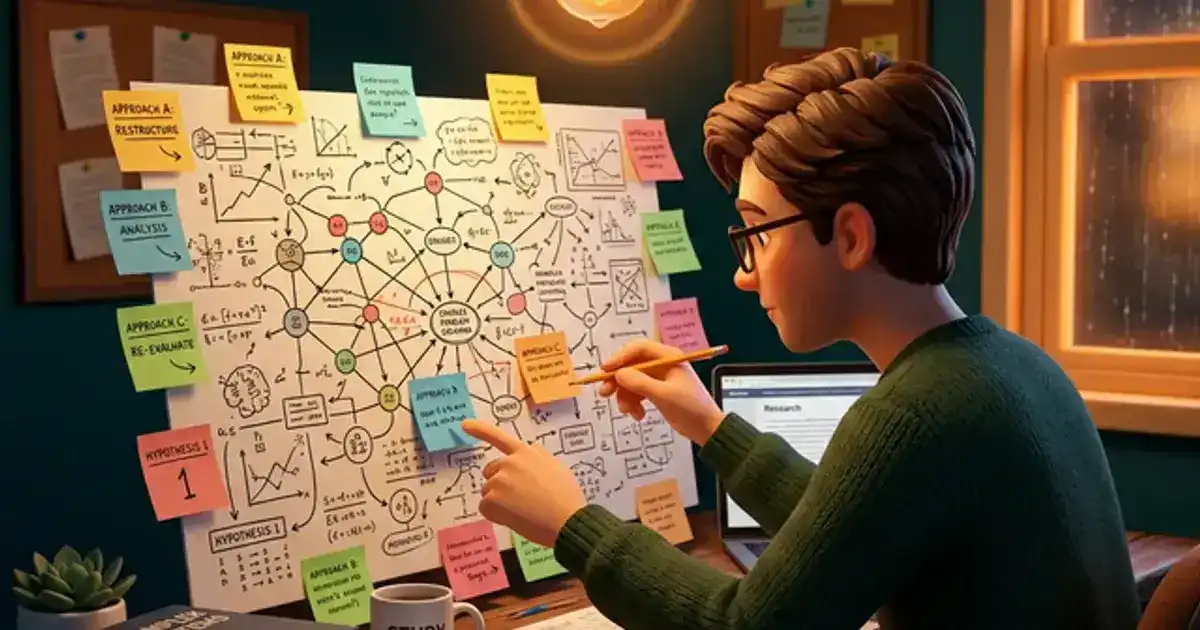
You sit down to study. You open the textbook. You read the first paragraph. Then you read it again because nothing stuck. You check your phone. You stare at the wall. You read the paragraph one more time. Twenty minutes have passed and you have absorbed exactly zero information. You are not lazy. You are bored, and your brain has checked out.
Here is the thing nobody tells you: studying does not have to feel like punishment. When it does, that is your brain telling you the method is wrong, not that the subject is wrong. Boredom is just your brain saying "I have nothing to do right now." Give it something to do, and the boredom goes away. This guide is about how to do exactly that.
Why Studying Feels So Boring (It Is Not What You Think)
Most people blame the subject. "Organic chemistry is just boring." "History is dry." But think about it — you can lose two hours watching a random YouTube deep dive about ancient Rome and not notice the time passing. The subject was not the problem. The format was.
When you watch a YouTube video about history, your brain is actively engaged: visuals are changing, the narrator is telling a story, there are unexpected facts, and you are processing new information rapidly. When you read a textbook about history, your eyes move across words on a page while your brain does... nothing. It is receiving input but not doing anything with it.
That is the core problem. Passive studying is boring because your brain literally has nothing to do. Reading. Highlighting. Re-reading. These activities ask your brain to receive information without processing it. Your brain is like a muscle — it needs to be working to stay engaged. When it is just sitting there passively, it gets restless and looks for something more interesting to do. Hello, Instagram.
The fix is dead simple in theory: stop putting information in and start pulling information out. Instead of reading your notes, close them and try to remember what was in them. Instead of highlighting the textbook, close it and explain the concept out loud. Instead of staring at the formula, try to solve a problem with it. When your brain has a task, boredom becomes almost impossible because your brain is too busy working to be bored.
| Activity | Boredom Level | Why |
|---|---|---|
| Re-reading notes | Very High | Brain has nothing to do |
| Highlighting a textbook | Very High | Feels productive but is not |
| Watching a lecture recording | High | Slightly more engaging but still passive |
| Solving practice problems | Low | Brain is actively working |
| Quizzing yourself without notes | Low | Challenge keeps brain engaged |
5 Ways to Make Any Study Session Less Boring
These are not gimmicks. They are ways to turn passive studying into active studying, which is the single biggest change you can make for both engagement and retention.
Quiz yourself instead of re-reading
After reading a section, close the book and write down everything you can remember. No peeking. This is called active recall, and it is the single most effective study technique ever tested. It also makes studying less boring because your brain is solving a challenge (what do I remember?) instead of passively receiving text. The struggle of trying to remember is what makes the information stick, and it keeps your brain too busy to be bored.
Teach the material to nobody
Stand up, face an empty chair, and explain what you just studied as if you were teaching a friend who knows nothing about the topic. Talk out loud. Use your own words. Where you stumble, that is where your understanding has a gap. This is way more engaging than reading because you are performing, not absorbing. It also forces you to actually think about the material instead of letting your eyes skim over words.
Switch subjects every 45 minutes
Your brain craves novelty. Studying one subject for 3 hours straight is a recipe for zoning out after the first 30 minutes. Instead, study Biology for 45 minutes, then switch to History, then switch to Math. Each switch gives your brain a fresh start. It feels harder in the moment, but you end up retaining more and staying engaged longer because your brain never gets the chance to go on autopilot.
Turn notes into questions
Instead of writing "The mitochondria produces ATP," write "What does the mitochondria produce and why does the cell need it?" Now your notes are a self-quiz you can use any time. When you review, you are not just reading facts. You are answering questions, which is active and engaging. Bonus: exam questions are literally questions, so you are practicing the exact format you will be tested on.
Do practice problems before you feel ready
Most students read the textbook first and then try problems. Flip it. Try a problem first, even if you have no idea how to solve it. Struggling with the problem creates curiosity: "how am I supposed to do this?" Then when you read the textbook, you are reading with a purpose. You are hunting for the answer to a question you actually have. That purposeful reading is ten times more engaging than reading the chapter cold.
Your Study Environment Is Making You Bored
If you always study in the same spot, in the same position, with the same background, your brain starts to associate that environment with monotony. Here are small changes that make a surprising difference:
Change your location. Study at the library, then at a coffee shop, then at a different floor of the library. The new environment gives your brain something fresh to process, which keeps it slightly more alert. Some research even suggests you remember information better when you study in multiple locations because your brain encodes the environmental context along with the material.
Change your body position. If you always sit, try standing for a block. Pace while you quiz yourself. Sit on the floor with your notes spread out. Physical variation prevents the physical stagnation that leads to mental stagnation. Your body and brain are not separate systems — when your body is stuck in the same position for hours, your brain follows it into low-energy mode.
Use background noise strategically. Complete silence can actually increase boredom for some people because there is nothing to anchor your attention. Try ambient noise from a coffee shop simulator, lo-fi study beats, or nature sounds. The key is consistent, non-distracting audio that creates a gentle background without pulling your attention away from the material.
Clean your desk before you start. A cluttered desk creates visual noise that competes with your study material for attention. Spending 2 minutes clearing off everything except what you need for the current study session reduces the visual distractions that give your brain an excuse to wander. It also creates a small ritual that signals to your brain that study time is starting.
Switch Up How You Study, Not Just What You Study
Read, then write, then draw, then speak. If you study the same material using four different formats, your brain processes it from four different angles. Read the concept in the textbook. Write a summary in your own words. Draw a diagram showing how the pieces connect. Explain it out loud to yourself. Each format forces a different type of thinking, and the variety keeps boredom from setting in because your brain is constantly doing something new.
Use videos to supplement, not replace. When a textbook section is putting you to sleep, search for a 5-minute YouTube explanation of the same concept. The visual and narrative format can make an otherwise boring topic click. But do not stop at watching. After the video, close it and write down what you learned. The video gets you interested. The writing makes it stick.
Create your own practice exam. Instead of waiting for the professor to give you a review sheet, make your own. Go through your notes and turn every key concept into a question. Then put the questions away for a day and come back to answer them. Making the exam is studying. Taking the exam is studying. You get two study sessions in one, and both are more engaging than re-reading because you are producing, not consuming.
Use flashcards, but make them yourself. Pre-made flashcard decks are convenient, but making your own is where the learning happens. The act of deciding what goes on the card, writing the question, and writing the answer forces you to process the material. Then reviewing the cards later forces retrieval. Two layers of active learning from one simple tool, and it is way more engaging than highlighting the same textbook for the third time.
Tricks That Keep You Going When You Want to Quit
The 5-minute rule. When you really do not want to study, tell yourself you will do it for just 5 minutes. Set a timer. When it goes off, you can stop. The secret is that starting is always the hardest part. Once you are 5 minutes into it, your brain is already engaged and quitting feels more disruptive than continuing. This trick works because it removes the pressure of a long session and replaces it with a tiny, manageable commitment.
Reward yourself between blocks. Study for 25 minutes, then give yourself something you actually enjoy for 5 minutes: a snack, a song, a quick walk. The anticipation of the reward makes the study block feel shorter, and the break prevents the mental fatigue that makes everything feel tedious. Do not use social media as the reward because scrolling is designed to be addictive and 5 minutes will turn into 30.
Track your progress visually. Keep a simple checklist of study tasks and check them off as you finish each one. The visual progress creates a small sense of accomplishment that fuels the next block. You can also use a study tracker app or just a piece of paper with blocks you color in for each completed session. Seeing the progress accumulate is motivating in a way that "just study more" never is.
Study with a body double. This is the concept of working alongside someone else, even if they are studying something completely different. Being in the presence of someone who is also focused creates social accountability and a subtle pressure to stay on task. You do not need to interact with them. Just having another person nearby who is working signals to your brain that this is work time, not break time.
The Shortcut: Get Unlimited Practice Problems Without the Textbook
The most engaging study sessions happen when you are solving problems, not reading about them. But here is the catch: most textbooks only include a limited number of practice problems, and once you have done them, you are stuck going back to passive reading.
This is what our Exercise Generator prompt was built for. Tell it what topic you are studying and what level you are at, and it creates fresh practice problems tailored to your course. It gives you problems that get progressively harder as you improve, keeps you in the sweet spot between too easy (boring) and too hard (frustrating), and explains the solution step by step when you get stuck.
The beauty of practice problems is that they are inherently active. You cannot passively do a problem. Your brain has to engage, think, and produce an answer. That engagement is what kills boredom and simultaneously makes the information stick in your memory.
Studying Without Exercise Generator
You re-read your notes for the third time. Everything looks familiar but nothing feels solid. You are bored, your phone is calling, and you have been at your desk for two hours with nothing to show for it.
Studying With Exercise Generator
You get a set of problems that match your course level. You solve them, check your work, and get harder ones as you improve. Forty-five minutes fly by because your brain was working the whole time.
Tired of boring study sessions?
The Exercise Generator creates practice problems tailored to your course so you can study by doing, not just reading.
Try the Exercise Generator Prompt →Try This Tonight
Pick whatever you need to study. Instead of opening the textbook, open a blank piece of paper and try to write down everything you already know about the topic. Set a timer for 10 minutes. Just dump whatever your brain can produce. Then open the textbook and compare what you wrote with what is in the chapter. The gaps are your study targets.
This one exercise is more engaging than an hour of re-reading, and it shows you exactly what you actually know versus what you think you know. If you want to take it further, our guide to remembering what you study covers the full active recall system.
The anti-boredom study session
Step 1: Clear your desk. Step 2: Close everything except your notes. Step 3: Set a 25-minute timer. Step 4: Close your notes and write everything you remember on a blank page. Step 5: Open notes and check what you missed. Step 6: Take a 5-minute break. Step 7: Repeat with the next section. You just studied actively for 25 minutes without touching your phone. That is more effective than 2 hours of passive re-reading.